


Kinyika CMCA
Empowering local fishers, protecting critical marine ecosystems, and securing sustainable livelihoods for generations to come.


What is the Kinyika CMCA
Stretching across 110 km² from Tenewe Island to Mwamba Kitau pinnacle, the Kinyika Community Managed & Conserved Area (CMCA) is a vital sanctuary for East Africa’s marine life, home to vibrant coral reefs, vital marine nurseries, critical seagrass meadows, and iconic species ranging from endangered guitar sharks and playful dolphins to nesting Sooty Terns.
Officially recognized within the broader Lamu Bay Joint Co-Managed Marine Area (JCMA), the Kinyika CMCA is the community-led heart of conservation; actively driven, patrolled, and managed by the people who rely on it most.
Our Mission
To champion community-led marine conservation across the Kinyika ecosystem by empowering local Beach Management Units (BMUs) through transparent governance, science-based data collection, active resource protection, and financial resilience.


Our Story
Years ago, the Lamu Marine Conservation Trust (LaMCoT) and local fishing communities recognized that the waters in key nursery areas around Kinyika Rock were under growing pressure from destructive fishing, habitat degradation, and climate change. Together, they laid the groundwork for a locally managed marine protected area.
When the national government gazetted the larger Lamu Bay JCMA, LaMCoT established the Kinyika CMCA to keep local ownership at the forefront. Today, LaMCoT bridges 10 BMUs, global conservation partners, and government fisheries authorities, ensuring conservation is not just policy on paper, but a shared way of life practiced daily by hundreds of artisanal fishers.
Our Four Pillars of Impact


1. Data-Driven Marine Conservation
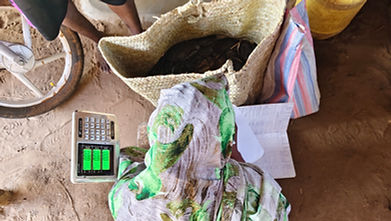
We’ve trained 20 dedicated data collectors across 10 BMUs in fish landing profiling, catch monitoring, and socioeconomic surveys. Data is processed through the KOBO platform and fed back directly to the communities who gather it. Our local collectors are now recognized nationally, regularly supporting government Catch Assessment Surveys. We’ve also completed a major scoping report mapping the full 110 km² area — covering boundaries, market dynamics, seasonal fishing patterns, and baselines on fish, coral, and seagrass health.
2. Transforming Fisheries Governance
LaMCoT supported democratic elections for 13 BMUs whose leadership had been stalled for over 13 years. We have trained executive committees in conflict resolution, financial administration, and gender inclusion. We’re currently establishing a unified County BMU Network, running advocacy through the annual Bahari Yetu Festival, and distributing financial management books to all 10 BMUs to promote transparency and trust.
3. Monitoring, Control & Surveillance (MCS)
Our community-supported patrols have continuously identified and confiscated destructive fishing gears, including monofilament lines, beach seines, and mosquito nets. We monitor fish hygiene standards and have successfully pressured government to streamline fishing license issuance. Next, we are developing a Gear Exchange Program to replace illegal gear with sustainable alternatives, and seeking partners for active coral, mangrove, and seagrass restoration with KMFRI.
4. Financial Inclusion & Livelihoods
Conservation must support the people who depend on the ocean. We’ve trained 10 Community Based Trainers (CBTs) to establish Village Savings and Loan Associations (VSLAs) across all 10 BMUs, introducing fishing families to manageable saving and micro-loaning structures. The next step is uniting these into community-owned marketing cooperatives that connect Lamu’s sustainable fishers with high-value markets.
Our Partners
The Kinyika CMCA is made possible through the generous support of our partners, the Lamu community and government.

Community-led data collection, BMU governance, and VSLA programs.

MCS initiatives and community
patrol support

Fisher/trader logbooks and financial management books